



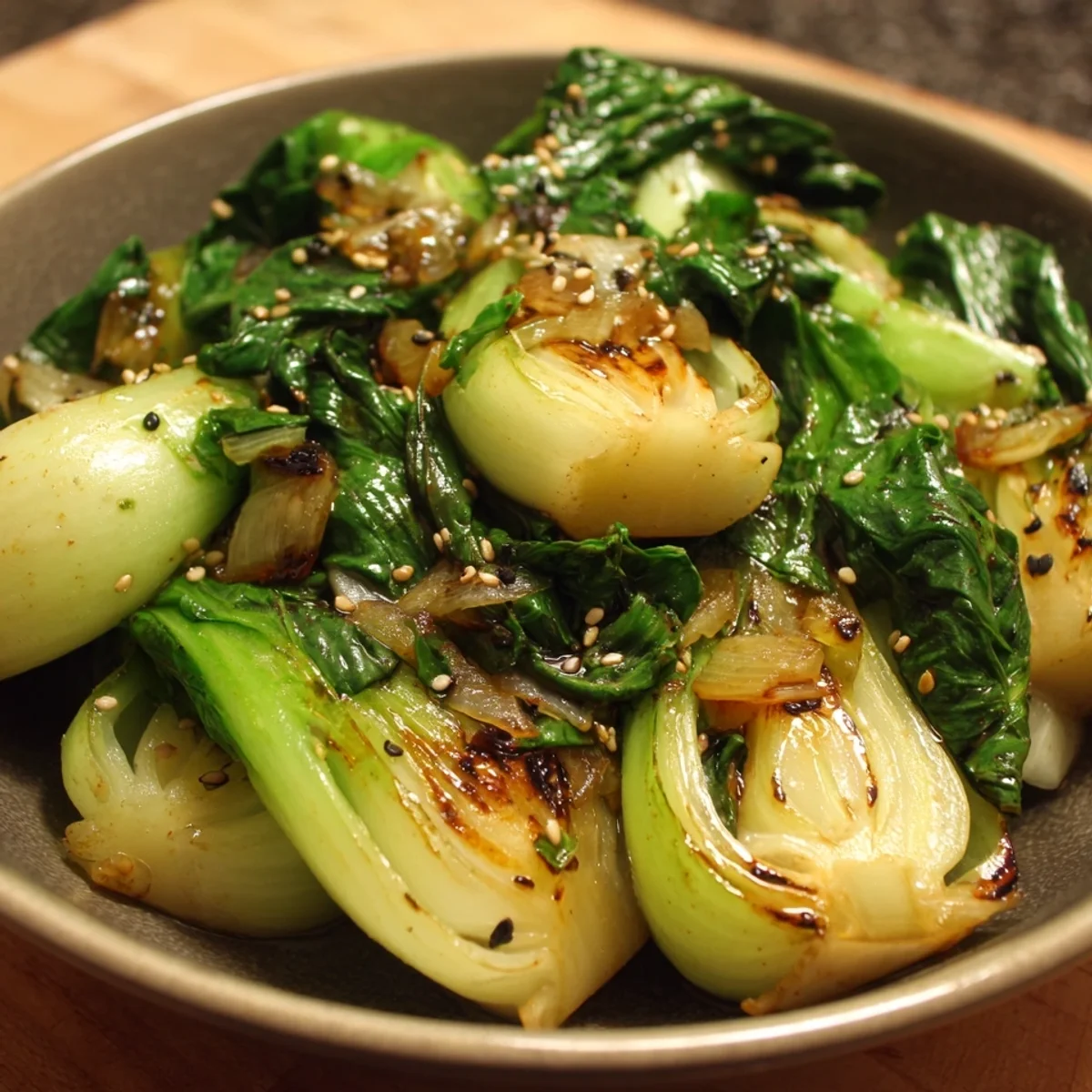
Quick Sautéed Bok Choy with Garlic and Ginger. This vibrant, healthy side dish is ready in minutes, bursting with fresh Asian flavors. A simple, delicious vegetable recipe.
Hey, friend! Remember that time I was trying to eat more greens, but everything felt, well, boring? I was stuck in a rut with steamed broccoli, honestly. Then, one evening, at my favorite little takeout spot, I tried their garlicky bok choy side. My mind was blown! It was so vibrant, so flavorful, and just delicious. I knew right then and there I had to figure out how to make this magic at home. And after a few kitchen experiments (and a tiny fire alarm incident, oops!), I nailed it. This Sautéed Bok Choy recipe is now a weekly staple!
Oh, man, my first attempt at Sautéed Bok Choy was… memorable. I was so excited, cranked the heat, and poured in the oil. I got distracted by a text, came back, and the oil was smoking. I tossed in the bok choy, and it just shriveled into sad, burnt bits in seconds. Total disaster! My kitchen smelled like a campfire. I learned my lesson about keeping a close eye on that pan, especially with delicate greens like bok choy. Live and learn, right?
Ingredients for a Perfect Sautéed Bok Choy
- 1 1/2 lbs baby bok choy, ends trimmed and halved lengthwise: Ok, so the star of our show! Baby bok choy is my pick because it's super tender and cooks quickly. Trimming the ends and halving them is key for even cooking and so those gorgeous leaves can really soak up all the sauce. You want them crisp-tender, not mushy, for the best Sautéed Bok Choy experience. Don't be afraid to give them a good rinse, those inner leaves can hide a bit of grit sometimes, I've learned that the hard way!
- 2 tbsp neutral oil (such as avocado or grapeseed): This is your heat conductor! A neutral oil is important because we want the flavors of the garlic, ginger, and sauce to shine, not the oil itself. avocado or grapeseed oil can handle higher heat without smoking, which is great for getting that quick sauté without burning. I once used olive oil and it just didn't have the same clean finish, plus it smoked a bit too much for my liking. Stick with neutral, trust me.
- 4 cloves garlic, minced: Garlic, my love! Can you even have an asian-inspired dish without it? Minced garlic brings that incredible aromatic foundation. It wakes up the whole dish, honestly. I always go a little heavy on the garlic because, well, why not? It caramelizes slightly and releases its sweet, pungent magic. Just make sure it doesn't burn, or it'll turn bitter a rookie mistake I’ve made more times than I care to admit. Keep it golden!
- 1 1/2 inch piece fresh ginger, grated: Fresh ginger adds that zingy, warm, slightly spicy kick that just elevates everything. It's the perfect counterpoint to the garlic and the richness of the soy sauce. Grating it ensures it disperses evenly and you get that flavor in every bite. I used to chop it, but grating is so much better for releasing its oils. This is what gives our Sautéed Bok Choy that authentic, vibrant taste.
- 2 tbsp low-sodium soy sauce (or tamari for gluten-free): The backbone of our umami glaze! Low-sodium is the way to go here because it gives you control over the saltiness. You can always add more, but you can't take it away, right? If you're gluten-free, tamari works like a dream. This is where that savory depth comes from, coating every leaf and stem in deliciousness. It’s a non-negotiable for that classic flavor.
- 1 tbsp rice vinegar: That little splash of acidity! Rice vinegar brightens everything up and cuts through the richness, balancing out the savory soy sauce and sweet brown sugar. It’s like a secret weapon that makes all the other flavors pop. Without it, the sauce can feel a bit flat, but with it? Pure magic. Don't skip this, it makes a surprising difference.
How to Make Sautéed Bok Choy: Your Step-by-Step Guide
- Step 1: Prep Bok Choy:
- First things first, get that beautiful bok choy ready for its close-up! Give each baby bok choy a good rinse under cold water, gently separating the leaves to make sure there’s no hidden dirt. Then, just trim off the very ends and slice them in half lengthwise. This makes them easier to handle and ensures they cook evenly. You want them looking fresh and ready to soak up all those amazing flavors we're about to build for our Sautéed Bok Choy.
- Step 2: Whisk Umami Glaze:
- Now for the magic sauce! In a small bowl, whisk together your low-sodium soy sauce, rice vinegar, toasted sesame oil, brown sugar, red pepper flakes (if you're feeling a little spicy!), and the quarter cup of water. Give it a good whisk until that brown sugar is dissolved. This is your flavor powerhouse, creating that sweet, savory, tangy glaze that makes this Sautéed Bok Choy so irresistible. Set it aside, it'll be ready when you are!
- Step 3: Sauté Aromatics:
- Heat your neutral oil in a large skillet or wok over medium-high heat. Once it’s shimmering (but not smoking, remember my earlier oops!), add your minced garlic and grated ginger. Sauté them for about 30 seconds to a minute, just until they’re fragrant and lightly golden. Oh, that smell! It’s the best part, honestly. Don't let them burn, we want sweet and aromatic, not bitter. This is the foundation of flavor for our Sautéed Bok Choy.
- Step 4: Add Bok Choy:
- Time for the star! Carefully add the prepped bok choy halves to the skillet, cut-side down first. Let them sizzle for a minute or two to get a little char and tenderness. Then, give them a good toss to coat them in that fragrant garlic and ginger oil. You’ll see them start to wilt and turn a vibrant green. It's so satisfying to watch these fresh greens transform, getting ready for the next step of our amazing Sautéed Bok Choy.
- Step 5: Simmer with Sauce:
- Pour that incredible umami glaze you whisked up earlier right over the bok choy. Give everything another good toss to ensure every piece is coated. Bring the sauce to a gentle simmer, then cover the skillet and let it cook for about 3-5 minutes. This steaming action helps tenderize the bok choy while allowing it to absorb all those wonderful flavors. Peek in, you want them tender-crisp, not soggy. Almost there!
- Step 6: Finish and Serve:
- Uncover your skillet. The sauce should have thickened slightly and the bok choy should be perfectly tender-crisp. Give it a final stir, making sure all those beautiful greens are glistening with the glaze. Taste it, adjust anything if you need to maybe a tiny splash more soy sauce or a pinch of sugar. Transfer your glorious Sautéed Bok Choy to a serving dish immediately. It’s best served hot and fresh, trust me on this one!
Making this Sautéed Bok Choy is pure joy for me. The aroma of garlic and ginger hitting the hot oil? Oh my goodness, it fills my kitchen with the most comforting scents. Watching the vibrant green bok choy transform, soaking up that glossy sauce, it’s just so satisfying. Every time I make it, I feel like I'm whipping up a little piece of restaurant magic right at home, and that's a pretty cool feeling.
Keeping Your Sautéed Bok Choy Fresh: Storage Secrets
So, you've made a big batch of Sautéed Bok Choy and have leftovers? Awesome! Once it's cooled completely (and I mean completely, don't rush it or you'll get condensation and a soggy mess, I've done that and it was sad), pop it into an airtight container. It'll keep beautifully in the fridge for up to 3-4 days. When reheating, I like to gently warm it in a skillet over medium-low heat to avoid overcooking it and making it mushy. The microwave works too, but sometimes it can get a bit watery. Honestly, it's best fresh, but leftovers are still pretty darn good!

Playing Around with Sautéed Bok Choy: Ingredient Swaps
I've played around with this Sautéed Bok Choy recipe so many times, trying different things based on what I have on hand. No baby bok choy? You can totally use mature bok choy, just separate the leaves and chop the thicker stems into smaller pieces so they cook evenly. If you don't have rice vinegar, apple cider vinegar can work in a pinch, though it has a slightly different flavor profile. Out of fresh ginger? A tiny pinch of ground ginger can do, but fresh is always superior, friend. For a spicy kick, sometimes I'll add a dash of sriracha to the sauce instead of red pepper flakes. Experiment! It's your kitchen, have fun!
What to Serve with Sautéed Bok Choy for a Complete Meal
Okay, so you’ve got this incredible Sautéed Bok Choy, now what? It's seriously versatile! My go-to is serving it alongside some perfectly pan-seared salmon or a juicy piece of baked chicken. It's also amazing with a simple bowl of steamed jasmine rice and a fried egg on top for a quick, comforting meal. If you're doing a full Asian-inspired spread, it's a must-have next to some crispy spring rolls or my favorite homemade potstickers. Honestly, sometimes I just eat a big bowl of it on its own it's that good! Don't forget to drizzle any leftover sauce over your main for extra flavor.
The Roots of Sautéed Bok Choy: A Little History
The story of bok choy itself is pretty cool, honestly. It's a type of Chinese cabbage, and it’s been a staple in Asian cuisine for thousands of years. It’s got roots in China, where it’s been cultivated since ancient times, and it’s found its way into countless dishes across different Asian cultures. What I love about a simple Sautéed Bok Choy is how it showcases the vegetable's natural sweetness and crisp texture, elevated by those classic Asian flavors garlic, ginger, soy. It’s a testament to simple ingredients creating something truly special and deeply flavorful, a real classic comfort food for so many. It just feels like home cooking, you know?
And there you have it, my friend! This Sautéed Bok Choy recipe is a game-changer for getting delicious greens on the table. It’s quick, it’s packed with flavor, and it’s just so satisfying. I hope you love it as much as I do. Give it a try this week, and let me know how it goes in the comments below! What’s your favorite way to enjoy bok choy? I’m always looking for new ideas!

FAQs About Sautéed Bok Choy
- → Can I use mature bok choy for this Sautéed Bok Choy recipe?
Absolutely! If you're using mature bok choy, just make sure to separate the leaves from the thicker white stems. Cook the stems first for a minute or two before adding the leaves, as they take a bit longer to tenderize. It still makes a fantastic Sautéed Bok Choy!
- → Is this recipe spicy?
It can be, but it's totally up to you! The red pepper flakes are optional. If you love heat, go for the full amount or even a little more. If you prefer it mild, just leave them out completely. You can always add a dash of sriracha at the table if someone wants extra kick!
- → What’s the best way to clean bok choy?
I like to cut the bok choy in half lengthwise first. Then, hold it under cold running water, fanning out the leaves gently to rinse away any dirt or sand that might be hiding. Sometimes a quick soak in a bowl of cold water for 5 minutes helps dislodge stubborn grit, too. Just pat it dry afterward!
- → Can I make this Sautéed Bok Choy ahead of time?
You can, but honestly, it’s best enjoyed fresh! The bok choy retains its crisp-tender texture and vibrant color when cooked and served immediately. If you do make it ahead, store it in an airtight container in the fridge and gently reheat it in a skillet to avoid it getting too soft. Still yummy, just not quite as perfect.
- → Can I make this recipe vegan?
Yep, it's already naturally vegan! Just make sure to use a neutral oil like avocado or grapeseed, and if you're using soy sauce, ensure it's a vegan-friendly brand (most are, but it's always good to double-check). This Sautéed Bok Choy is a fantastic plant-based side dish or even a light main with some rice.
Sautéed Bok Choy with Garlic & Ginger
Quick Sautéed Bok Choy with Garlic and Ginger. This vibrant, healthy side dish is ready in minutes, bursting with fresh Asian flavors. A simple, delicious vegetable recipe.
Ingredients
Verdant Core
- 1 1/2 lbs baby bok choy, ends trimmed and halved lengthwise
Aromatic Heart
- 2 tbsp neutral oil (such as avocado or grapeseed)
- 4 cloves garlic, minced
- 1 1/2 inch piece fresh ginger, grated
Umami Glaze
- 2 tbsp low-sodium soy sauce (or tamari for gluten-free)
- 1 tbsp rice vinegar
- 1 tsp toasted sesame oil
- 1 tsp brown sugar
- 1/4 tsp red pepper flakes (optional, for a touch of heat)
Flavor Finishers
- 1/4 cup water
- Salt and freshly ground black pepper, to taste
- 1 tsp toasted sesame seeds, for garnish
Instructions
-
1Prep Bok ChoyTrim the ends from 1 1/2 lbs baby bok choy and halve them lengthwise. Rinse thoroughly under cold water to remove any dirt, ensuring they are ready for your Sautéed Bok Choy with Garlic and Ginger.
-
2Whisk Umami GlazeIn a small bowl, whisk together 2 tbsp low-sodium soy sauce, 1 tbsp rice vinegar, 1 tsp toasted sesame oil, 1 tsp brown sugar, and 1/4 tsp red pepper flakes (if using). Set aside.
-
3Sauté AromaticsHeat 2 tbsp neutral oil in a large skillet or wok over medium-high heat. Add 4 cloves minced garlic and 1 1/2 inch grated fresh ginger. Sauté for about 30 seconds until fragrant, being careful not to burn the garlic.
-
4Add Bok ChoyAdd the prepped 1 1/2 lbs baby bok choy to the skillet, cut-side down first if possible. Sauté for 2-3 minutes, tossing occasionally, until the leaves begin to wilt and turn vibrant green.
-
5Simmer with SaucePour the prepared Umami Glaze and 1/4 cup water over the bok choy. Cover the skillet and cook for another 2-3 minutes, or until the bok choy stems are tender-crisp. This step is crucial for perfectly tender Sautéed Bok Choy with Garlic and Ginger.
-
6Finish and ServeRemove the lid and stir well to coat the bok choy in the sauce. Season with salt and freshly ground black pepper to taste. Garnish your Sautéed Bok Choy with Garlic and Ginger with 1 tsp toasted sesame seeds and serve immediately.
Notes
If baby bok choy isn't available, you can use regular bok choy. Just separate the leaves and stems, chop the stems into 1-inch pieces, and add them to the pan a minute or two before the leaves to ensure even cooking.
Leftover Sautéed Bok Choy with Garlic and Ginger can be stored in an airtight container in the refrigerator for up to 3 days. Reheat gently on the stovetop or in the microwave.
This vibrant side dish pairs wonderfully with grilled fish, roasted chicken, or as part of an Asian-inspired meal alongside rice and other stir-fried vegetables.
For extra flavor and a beautiful presentation, consider a drizzle of chili oil just before serving, especially if you enjoy a bit more heat.
Equipment
Please check ingredients for potential allergens and consult a health professional if in doubt.
Nutrition Facts
It is important to consider this information as approximate and not to use it as definitive health advice.
Comments
Leave a Comment